


• LOGIN
  • WEBMAIL
  • CONTACT US
Thursday, November 12, 2026
21st CENTURY CHRONICLE
  • HOME
  • NEWS
    • BREAKING NEWS
    • LEAD OF THE DAY
    • NATIONAL NEWS
    • AROUND NIGERIA
    • INTERVIEWS
    • INTERNATIONAL
  • INVESTIGATIONS
    • EXCLUSIVE
    • INFOGRAPHICS
    • SPECIAL REPORT
    • FACT CHECK
  • BUSINESS
    • AVIATION
    • BANKING
    • CAPITAL MARKET
    • FINANCE
    • MANUFACTURING
    • MARITIME
    • OIL AND GAS
    • POWER
    • TELECOMMUNICATION
  • POLITICS
  • CHRONICLE ROUNDTABLE
  • OUR STAND
  • COLUMNS
  • OTHERS
    • BLAST FROM THE PAST
    • ON THE HOT BURNER
    • FEATURES
    • SPORTS
    • ENTERTAINMENT
      • KANNYWOOD
      • NOLLYWOOD
    • BAZOOKA JOE
    • THIS QUEER WORLD
    • FIGURE OF THE DAY
    • QUOTE OF THE DAY
    • INSURGENCY
    • CRIME
No Result
View All Result
21st Century Chronicle
No Result
View All Result
Your ads here Your ads here Your ads here
ADVERTISEMENT

The great academic freeze: Bold move to fix our university system

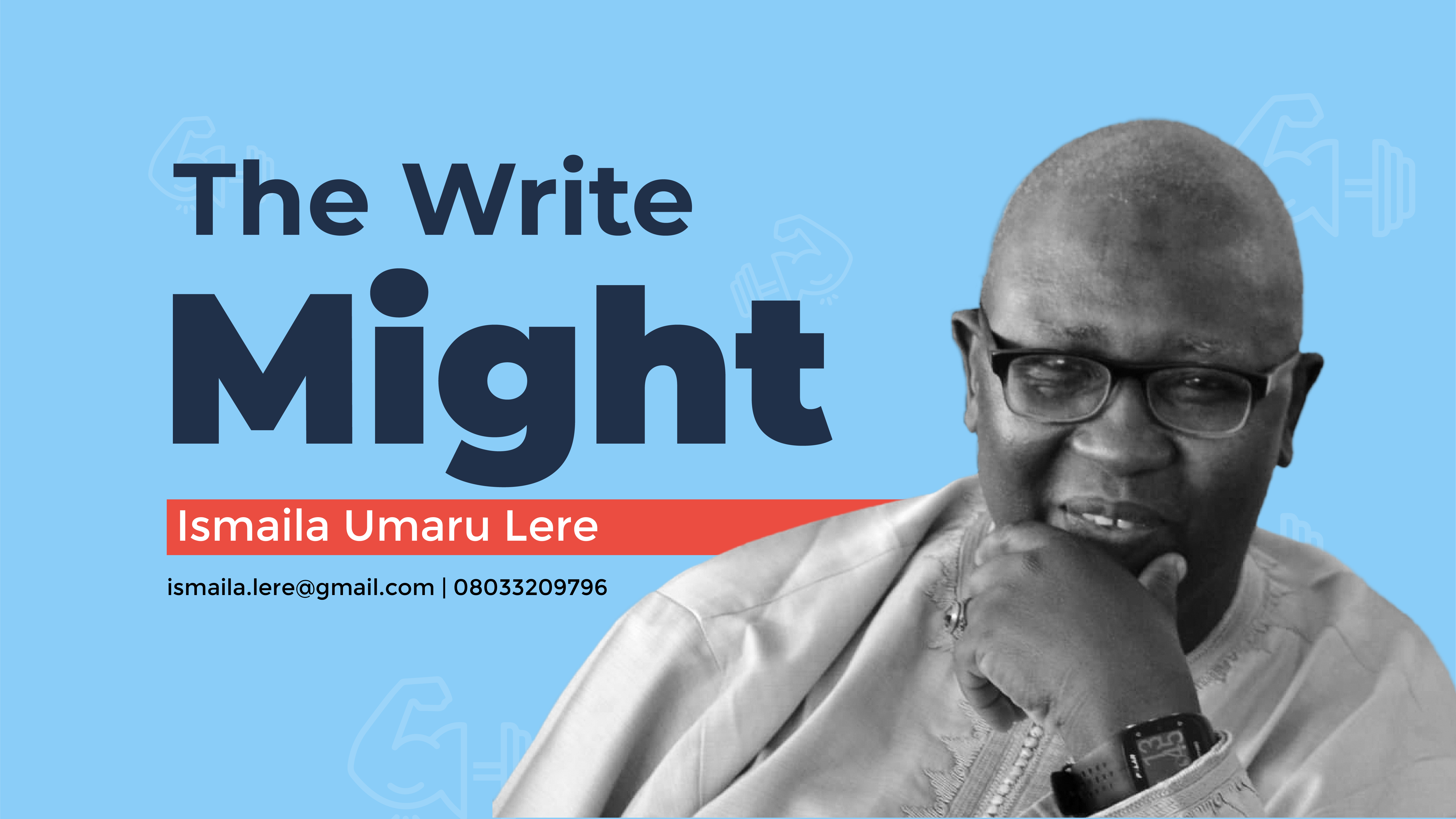
by Ismaila Umaru Lere
August 28, 2025
in Column, Lead of the Day, The write might
0
Everything to play for as night becomes day
Share on FacebookShare on TwitterShare on TelegramShare on WhatsApp

READ ALSO

Abdulrasheed Maina’s son begins seven years jail term

Tinubu urges newly turbaned Seyi to lead, inspire youth

The Federal Government of Nigeria has recently announced a seven-year moratorium on the establishment of new federal universities, polytechnics, and colleges of education. This is a significant policy shift aimed at improving the quality of tertiary education in the country. The decision, which was approved by the Federal Executive Council (FEC), is a direct response to the unchecked proliferation of institutions that has led to a decline in academic standards and a strain on existing resources.

This move is a clear signal from the government that its focus is now shifting from a quantity-based approach to a quality-based one. For years, the establishment of new tertiary institutions was often seen as a political tool, a way for politicians to deliver “constituency projects” and gain favor with their constituents. This led to a situation where new universities were being created without adequate funding, proper infrastructure, or a sufficient number of qualified academic staff. The result has been a system with many under-resourced and under-enrolled institutions, leading to a decline in the value of Nigerian degrees.

The moratorium is intended to be a “reset button” for the country’s tertiary education system. It’s a pragmatic step that allows the government to pause and re-evaluate the sector’s needs. Instead of spreading resources thinly across an ever-growing number of institutions, the government can now channel its energy and funds into upgrading the facilities, hiring and retaining top-tier faculty, and expanding the carrying capacity of existing institutions. This will not only improve the quality of education but also ensure that graduates are well-equipped to compete in the global job market.

The Problem with Proliferation
For decades, the Nigerian education system has been grappling with a dual challenge: the need for increased access to tertiary education and the maintenance of high academic standards. In response to the high number of candidates seeking university admission each year, successive governments have resorted to establishing new institutions, often with little regard for the sustainability of these new ventures. This created a paradoxical situation where Nigeria now has a large number of universities, yet the quality of education at many of them is subpar.

The statistics are telling. According to the Minister of Education, Dr. Tunji Alausa, many federal universities operate far below their capacity. In a striking example, he cited a university in the northern part of the country with 1,200 staff members catering to fewer than 800 students. This kind of inefficiency is not only a waste of public funds but also an indication of a broken system. The problem isn’t just with universities. Many polytechnics and colleges of education are also under-enrolled, with some having as few as 99 applicants and others, a shocking zero.

This unchecked proliferation has had a number of negative consequences. It has led to a significant brain drain, as qualified academics are either poached by private institutions or leave the country in search of better working conditions. It has also strained government finances, with a large chunk of the education budget going towards the salaries of staff in these under-utilized institutions. The infrastructure at existing universities is often dilapidated, laboratories are poorly equipped, and libraries are outdated. The moratorium aims to address these issues head-on by allowing the government to focus on a few key areas:

* Infrastructure Upgrade: A major goal of the moratorium is to fix the crumbling infrastructure in existing institutions. This includes renovating lecture halls, building new hostels, and equipping laboratories with modern tools and technology.

* Recruitment and Staff Development: The government plans to use the moratorium period to recruit qualified academic staff and invest in their professional development. This will help to close the faculty gap and ensure that students are being taught by knowledgeable and skilled lecturers.

* Curriculum Review: This period also offers a perfect opportunity to review and update the curricula of existing institutions. The goal is to make the courses more relevant to the needs of the modern economy and to equip students with the skills they need to thrive after graduation.

* Expanded Carrying Capacity: By improving infrastructure and increasing the number of qualified staff, the government can expand the carrying capacity of existing universities, polytechnics, and colleges of education. This will help to address the issue of access without having to create new institutions.
Stakeholder Reactions and the Way Forward
The government’s decision has been met with mixed reactions, but largely, it has been seen as a positive and long-overdue move. Stakeholders in the education sector, including the Academic Staff Union of Universities (ASUU), have long been agitating against the proliferation of new institutions, arguing that the government should instead focus on properly funding existing ones. ASUU, in particular, has welcomed the moratorium, calling it a “victory for common sense.”

However, there are also some concerns. Some critics argue that the moratorium does not go far enough and should also be extended to private universities. While the government did approve nine new private universities whose applications were already in the pipeline, it has also put a freeze on new applications for private institutions that don’t meet new, stricter operational standards. This, according to the government, is a way of ensuring that even private institutions adhere to a certain level of quality and do not simply become profit-making ventures.

The success of this moratorium will hinge on the government’s political will to see it through. The historical pressure from politicians to establish new institutions as a form of political patronage is a significant hurdle that the administration must overcome. The government must also ensure that the funds saved from not building new institutions are effectively channeled into the identified areas of need.

Looking ahead, this seven-year period is a chance for a much-needed reset. It is an opportunity to move from a system that values quantity over quality to one that prioritizes excellence, research, and innovation. It is a chance to restore the reputation of Nigerian degrees and to ensure that graduates are well-prepared for the challenges of the 21st century. The moratorium is not just a policy decision; it is a statement of intent—a declaration that Nigeria is ready to take its education sector seriously. It is a bold step, but one that is absolutely necessary to salvage a system on the brink and to build a brighter future for the country’s youth.

Related Posts

Oronsaye approved money stolen by Maina, EFCC tells court

Abdulrasheed Maina’s son begins seven years jail term

November 12, 2026
Tinubu: Chris Musa’s appointment timely, crucial for Nigeria

Tinubu urges newly turbaned Seyi to lead, inspire youth

November 12, 2026
Everything to play for as night becomes day

Nigeria’s sporting blitz: From Dakar’s track to Abuja’s polo fields

November 12, 2026
2022 CAF Awards: Super Eagles duo misses out as final shortlist comes out

CAF postpones 2026 Awards to December 2 in Lagos

November 12, 2026
Tinubu unveils $3.05 billion World Bank-funded anti-poverty programmes

Tinubu vows to defeat insecurity, pledges improved welfare for troops

November 11, 2026
Tinubu renames Petroleum University Kaduna after Shehu Musa Yar’Adua

Tinubu launches N52,500 minimum pension for retirees

November 11, 2026
No Result
View All Result

Recent Posts

  • Abdulrasheed Maina’s son begins seven years jail term
  • Congo Ebola outbreak still out of control after six months – MSF
  • Tinubu seeks Reps’ approval to obtain N10.79 trillion foreign loan
  • Nigeria urges stronger Commonwealth cooperation on security, trade
  • Tinubu urges newly turbaned Seyi to lead, inspire youth

Archives

  • November 2026
  • October 2026
  • September 2026
  • August 2026
  • July 2026
  • June 2026
  • May 2026
  • April 2026
  • March 2026
  • February 2026
  • January 2026
  • December 2025
  • November 2025
  • October 2025
  • September 2025
  • August 2025
  • July 2025
  • June 2025
  • May 2025
  • April 2025
  • March 2025
  • February 2025
  • January 2025
  • December 2024
  • November 2024
  • October 2024
  • September 2024
  • August 2024
  • July 2024
  • June 2024
  • May 2024
  • April 2024
  • March 2024
  • February 2024
  • January 2024
  • December 2023
  • November 2023
  • October 2023
  • September 2023
  • August 2023
  • July 2023
  • June 2023
  • May 2023
  • April 2023
  • March 2023
  • February 2023
  • January 2023
  • December 2022
  • November 2022
  • October 2022
  • September 2022
  • August 2022
  • July 2022
  • June 2022
  • May 2022
  • April 2022
  • March 2022
  • February 2022
  • January 2022
  • December 2021
  • November 2021
  • October 2021
  • September 2021
  • August 2021
  • July 2021
  • June 2021
  • May 2021
  • April 2021
  • March 2021
  • February 2021
  • January 2021

Categories

  • A Nigerian elder reflects
  • Agriculture
  • Analysis
  • Around Nigeria
  • Arts
  • Automobile
  • Aviation
  • Banking
  • Bazooka Joe
  • Blast from the past
  • Bollywood
  • Books
  • Breaking News
  • Business Scene
  • Capital Market
  • Cartoons
  • Chronicle Roundtable
  • Column
  • Crime
  • Culture
  • Defence
  • Development
  • Diplomacy
  • Economy
  • Education
  • Entertainment
  • Environment
  • Exclusive
  • Extra
  • Fact Check
  • Features
  • Figure of the day
  • Finance
  • For the record
  • Fragments
  • Gender
  • Health
  • Housing
  • Human rights
  • Humanitarian
  • ICT
  • Infographics
  • Insecurity
  • Insurance
  • Insurgency
  • Interesting
  • Interviews
  • Investigations
  • Judiciary
  • Kannywood
  • Labour
  • Lead of the Day
  • Legal
  • Letters
  • Lifestyle
  • Literature
  • Live Updates
  • Manufacturing
  • Maritime
  • Media
  • Metro News
  • Mining
  • My honest feeling
  • National news
  • National News
  • News
  • News International
  • Nollywood
  • Obituaries
  • Oil and Gas
  • On the hot burner
  • On The One Hand
  • On the one hand
  • Opinion
  • Our Stand
  • Pension
  • People, Politics & Policy
  • Philosofaith
  • Photos of the day
  • Politics
  • Power
  • Press
  • Profile
  • Property
  • Quote of the day
  • Railway
  • Religion
  • Rights
  • Science
  • Security
  • Special Report
  • Sports
  • Technology
  • Telecommunication
  • The Plumb Line
  • The way I see it
  • The write might
  • This queer world
  • Tourism
  • Transport
  • Tributes
  • Uncategorized
  • Video
  • View from the gallery
  • Women

Meta

  • Log in
  • Entries feed
  • Comments feed
  • WordPress.org
  • PRIVACY POLICY
  • CONTACT US
  • ABOUT US

© 2020 21st Century Chronicle

No Result
View All Result
  • HOME
  • NEWS
    • BREAKING NEWS
    • LEAD OF THE DAY
    • NATIONAL NEWS
    • AROUND NIGERIA
    • INTERVIEWS
    • INTERNATIONAL
  • INVESTIGATIONS
    • EXCLUSIVE
    • INFOGRAPHICS
    • SPECIAL REPORT
    • FACT CHECK
  • BUSINESS
    • AVIATION
    • BANKING
    • CAPITAL MARKET
    • FINANCE
    • MANUFACTURING
    • MARITIME
    • OIL AND GAS
    • POWER
    • TELECOMMUNICATION
  • POLITICS
  • CHRONICLE ROUNDTABLE
  • OUR STAND
  • COLUMNS
  • OTHERS
    • BLAST FROM THE PAST
    • ON THE HOT BURNER
    • FEATURES
    • SPORTS
    • ENTERTAINMENT
      • KANNYWOOD
      • NOLLYWOOD
    • BAZOOKA JOE
    • THIS QUEER WORLD
    • FIGURE OF THE DAY
    • QUOTE OF THE DAY
    • INSURGENCY
    • CRIME

© 2020 21st Century Chronicle

This website uses cookies. By continuing to use this website you are giving consent to cookies being used. Visit our Privacy and Cookie Policy.